Modernize your SCADA systems by migrating your energy data to the cloud. Discover secure, scalable, and efficient digital energy solutions with Partori.
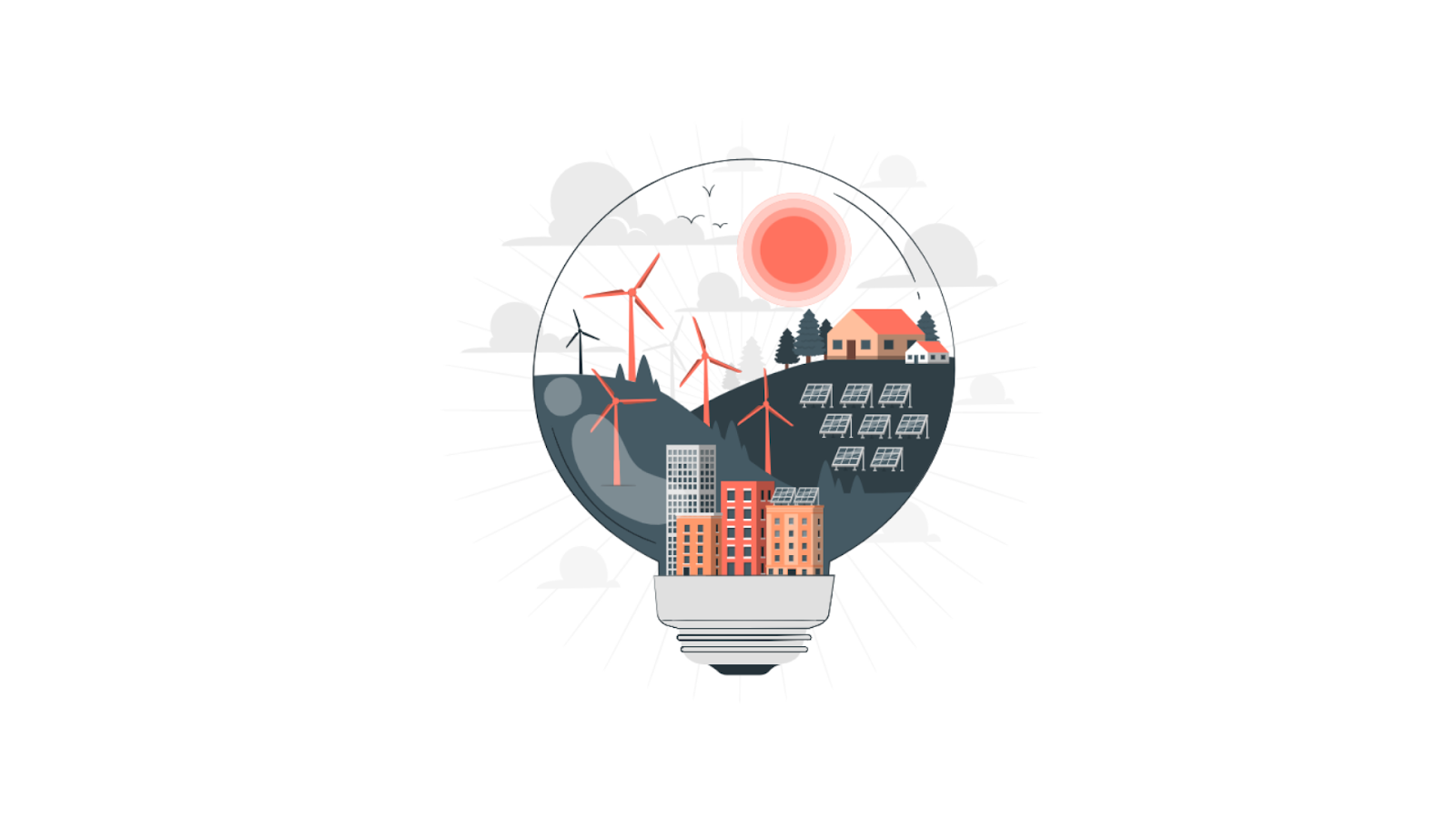
In today's rapidly evolving and competitive energy sector, closely monitoring developments and entering the digitalization process is no longer just a trend, but has become a strategic necessity to ensure operational efficiency and achieve sustainability goals. Digital transformation in energy systems is gaining a new dimension through the management of SCADA systems, advanced energy monitoring platforms, and complex automation solutions not only in physical, local environments but also via powerful and flexible cloud infrastructures. In this article, we will seek answers to fundamental questions such as "why should energy data be migrated to the cloud?", "how do SCADA systems work in the cloud and what are the dynamics of this integration?", and "how is cybersecurity ensured at the highest level in this critical process?".
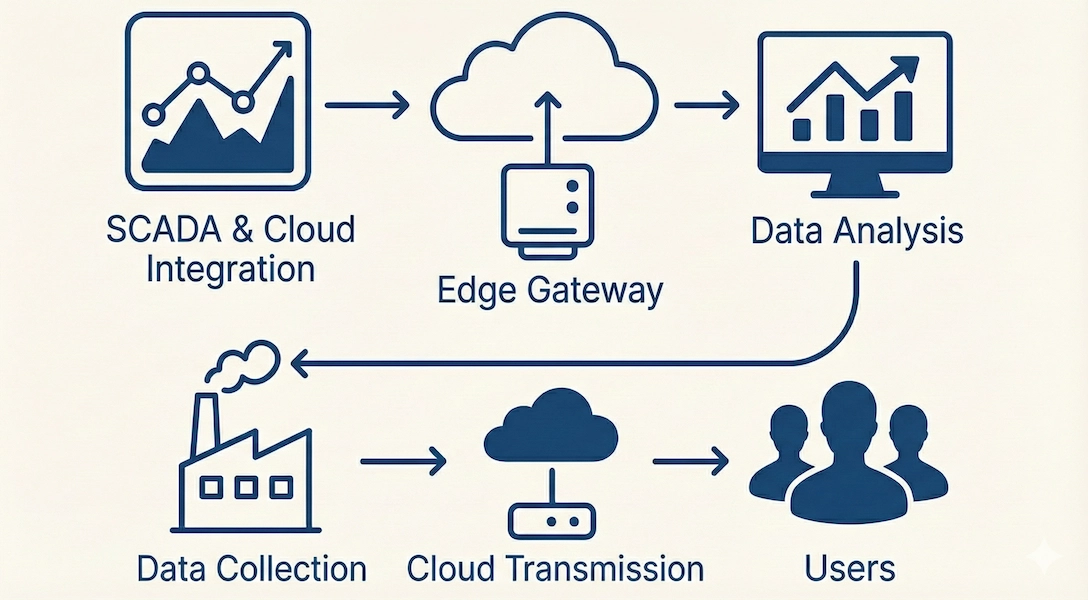
In the energy sector, SCADA (Supervisory Control and Data Acquisition) systems are indispensable tools designed to collect critical data from the field, manage devices in remote locations with precision, and activate alarm mechanisms to prevent potential dangers.
While in traditional approaches this critical data is usually stored in local servers and on-premise data centers, in cloud-based SCADA systems, data is collected from the field via smart edge devices, initially processed, filtered, and then transferred to the cloud environment accompanied by high-security protocols. This integration allows the energy infrastructure to work almost like a living, breathing brain; it performs supervision, monitoring, and control processes in vital infrastructures like electric grids, water distribution systems, and gas pipelines with unparalleled efficiency.
The limitation of traditional SCADA systems to local installations can significantly prolong operational response times and lead to a waste of human and technological resources. However, today, the world's leading cloud platforms such as AWS (Amazon Web Services), Azure (Microsoft Azure), and Google Cloud Platform have the ability to integrate seamlessly with SCADA systems. In this way, energy engineers and operation teams can securely connect to systems remotely from anywhere in the world, analyze collected data in depth, and make instant, proactive interventions when necessary.
The main advantages offered by cloud-based SCADA systems include:
Migrating energy data to the cloud contributes to fundamental business goals such as cybersecurity, comprehensive traceability, and operational optimization, beyond just being a technological innovation. Because local systems have limited access flexibility and are costly to maintain. Whereas cloud systems offer businesses a range of transformative contributions such as:
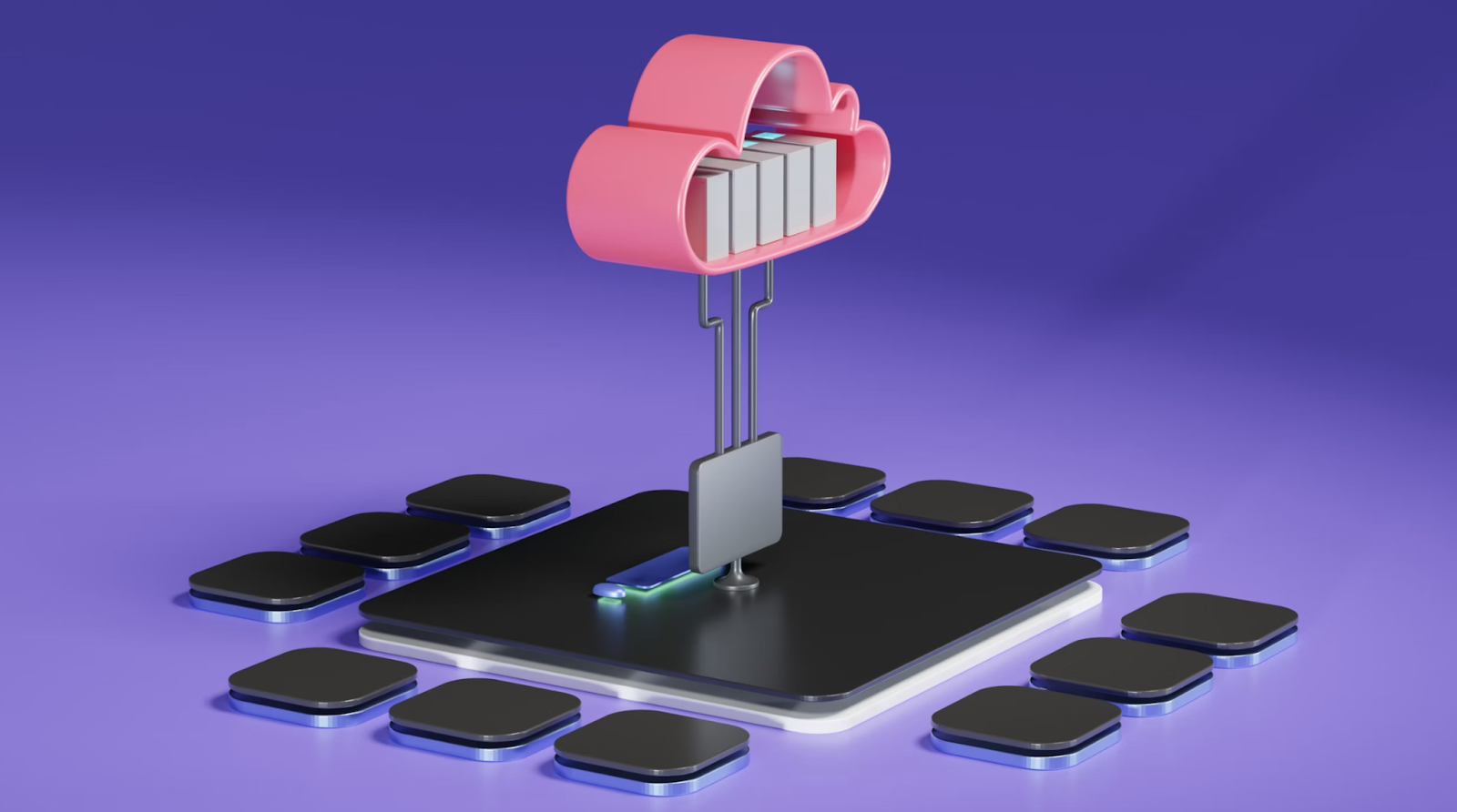
SCADA systems serve as a critical bridge in modern energy management by processing raw data coming from field sensors via edge devices. For example, parameters such as temperature, voltage, and current in transformer centers, pressure in hydroelectric power plants, or vibration in wind turbines are first pre-processed and filtered on edge devices, and then only meaningful and necessary data is sent to the cloud. This smart approach both dramatically reduces network load and ensures instant decisions are made quickly, thereby increasing operational agility.
Especially in systems that are highly sensitive to latency, edge computing plays an absolutely critical role. For instance, when a sudden voltage fluctuation or overload is detected in an electric grid, the system may need to be automatically disabled within seconds. Such critical and vital operations are managed directly via edge devices without the delay of sending data to the cloud and waiting for a response, providing the opportunity for immediate and secure intervention.
In communication established with IoT (Internet of Things) devices, industrial, lightweight, and secure communication protocols such as MQTT (Message Queuing Telemetry Transport), OPC UA (Open Platform Communications Unified Architecture), and AMQP (Advanced Message Queuing Protocol) are preferred. In this way, energy infrastructures can be integrated into the cloud via wireless and low-cost connections. With the rich data flow coming through IoT, detailed energy consumption habits can be determined, and peak demand moments can be predicted with artificial intelligence, ensuring the system operates more efficiently and in a balanced manner. This integration opens the doors wide to smart, proactive, and predictive solutions in energy management, preparing the ground for the smart grids of the future.
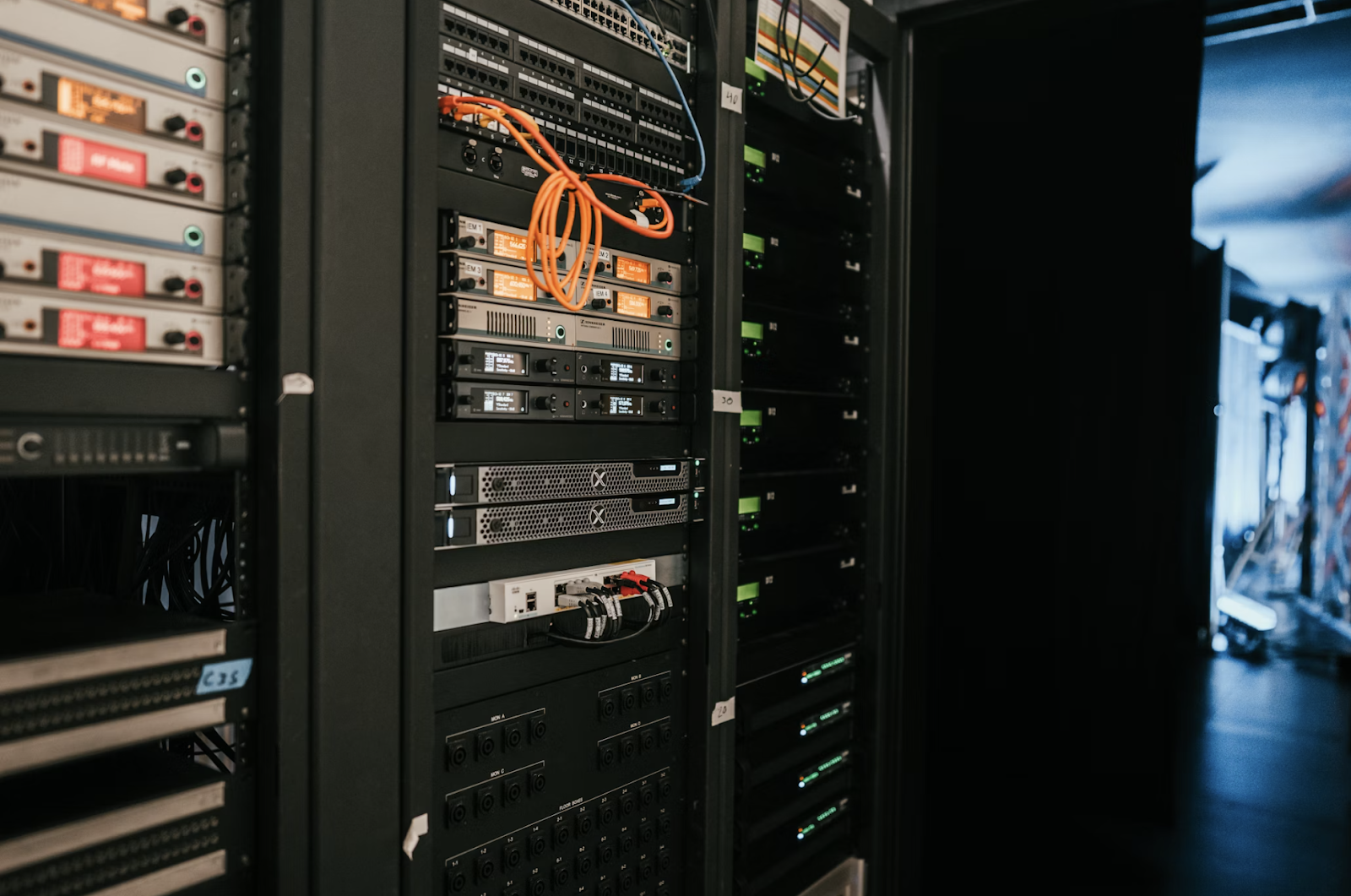
In the energy sector, as in every other sector, security is indisputably one of the most critical priorities. For SCADA (Supervisory Control and Data Acquisition) and other energy automation systems managing vital infrastructures such as electricity grids, water distribution systems, or gas pipelines, cybersecurity is not just a necessity but a national security issue. Therefore, international cybersecurity standards like IEC 62443 have been specially developed considering the unique needs of industrial control and automation systems. These comprehensive standards cover topics such as authentication, role-based access control (RBAC), data encryption, system backup, and disaster recovery in detail, offering an end-to-end security framework.
A system's cybersecurity is ensured not only by technological components but also by operational processes. In this context, allowing only authorized users to access the system, using strong encryption protocols like TLS/SSL (Transport Layer Security/Secure Sockets Layer) for sensitive data transmission, and determining comprehensive data backup strategies form the foundation of the security of cloud-based energy systems. Additionally, data center certifications held by selected cloud providers (e.g., ISO 27001, SOC 2 Type II) are significant indicators of how robust the provider's security commitment and infrastructure are. These certificates verify that the cloud environment's physical, environmental, and logical security controls comply with international standards.
Today, many industrial organizations and production facilities are integrating their SCADA systems into dynamic cloud architectures, moving them out of traditional, isolated networks, while digitizing their systems to increase operational efficiency and gain better insights. This integration, while offering operational flexibility and accessibility, also means creating a more complex but much stronger and layered line of defense against cyber attacks.
This new approach requires the integration and continuous monitoring of modern security tools such as firewalls, intrusion detection and prevention systems (IDS/IPS), and security information and event management (SIEM) solutions in the cloud environment. Remember, to fully benefit from the advantages offered by cloud technologies, it is essential that cybersecurity is always kept at the forefront.
As a result of the AI-supported predictive maintenance approach implemented at the University of California Solar Farm, a production increase of up to 27% was achieved. Additionally, thanks to the maintenance system, system downtimes were reduced by 15%. A similar approach was applied in a 5 MW capacity solar power plant located in Antalya. In this facility, data collected from inverters was transferred to the cloud via an edge gateway, and information such as energy production, instantaneous efficiency, panel temperature, and production losses could be monitored via mobile devices.
Thanks to AI-supported analysis tools integrated into the system, performance drops in some inverters were detected, and maintenance teams were directed to the field before a failure occurred.
Benefits obtained:
(Source: University of California Solar Farm AI Predictive Maintenance Case Study)
According to regulations published by EMRA (Energy Market Regulatory Authority - EPDK), it is required to install SCADA and remote monitoring systems in energy production facilities (EMRA Regulations). Additionally, pursuant to KVKK (Law on the Protection of Personal Data), it is recommended that data be stored on servers in Turkey or that cloud providers use data centers located within Turkey for security.
In this direction, businesses must evaluate the compliance of the SCADA and energy monitoring platforms they use with KVKK; if the transfer of data abroad is in question, they must completely fulfill procedures such as explicit consent approval.
Furthermore, the increasing number of domestic cloud providers provides an advantage to businesses in terms of data ownership. Beyond legal compliance, adhering to industry standards reduces the risk of penalties for businesses in the long run.
Migrating energy and automation data to the cloud means a transition to a more flexible, secure, and efficient operational approach for businesses. When SCADA systems work together with edge devices and IoT, energy management turns into a digital asset for businesses.
Thanks to this transformation provided by technology, not only technical teams but also managers and investors can evaluate energy performance much more clearly with data that is increasingly accessible. Cloud-based monitoring systems provide superiority over other businesses that are not integrated compared to traditional models in terms of business continuity, data analysis capability, and operational security.
Take the first step to digitize your energy systems. We offer customized consultancy with our expert engineering staff. Contact us.