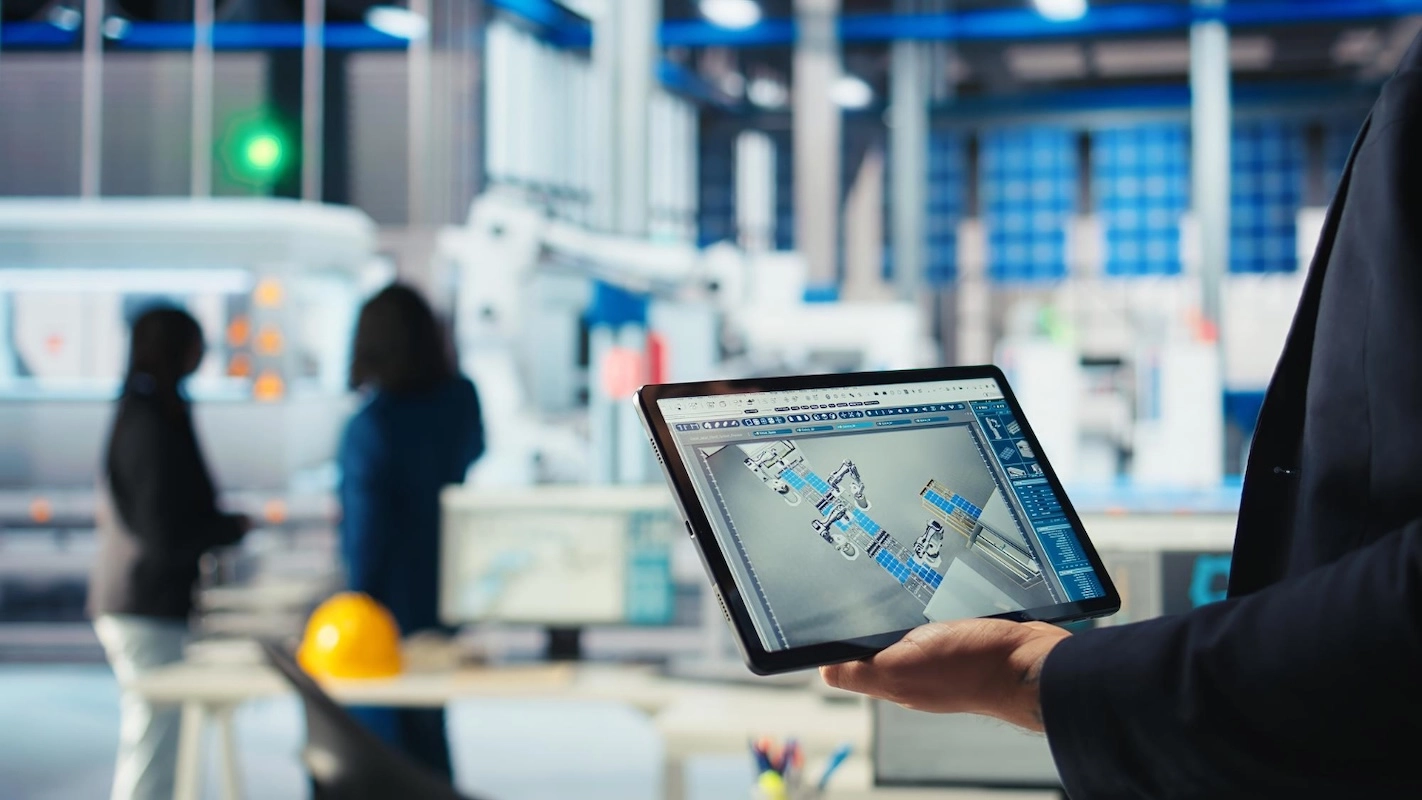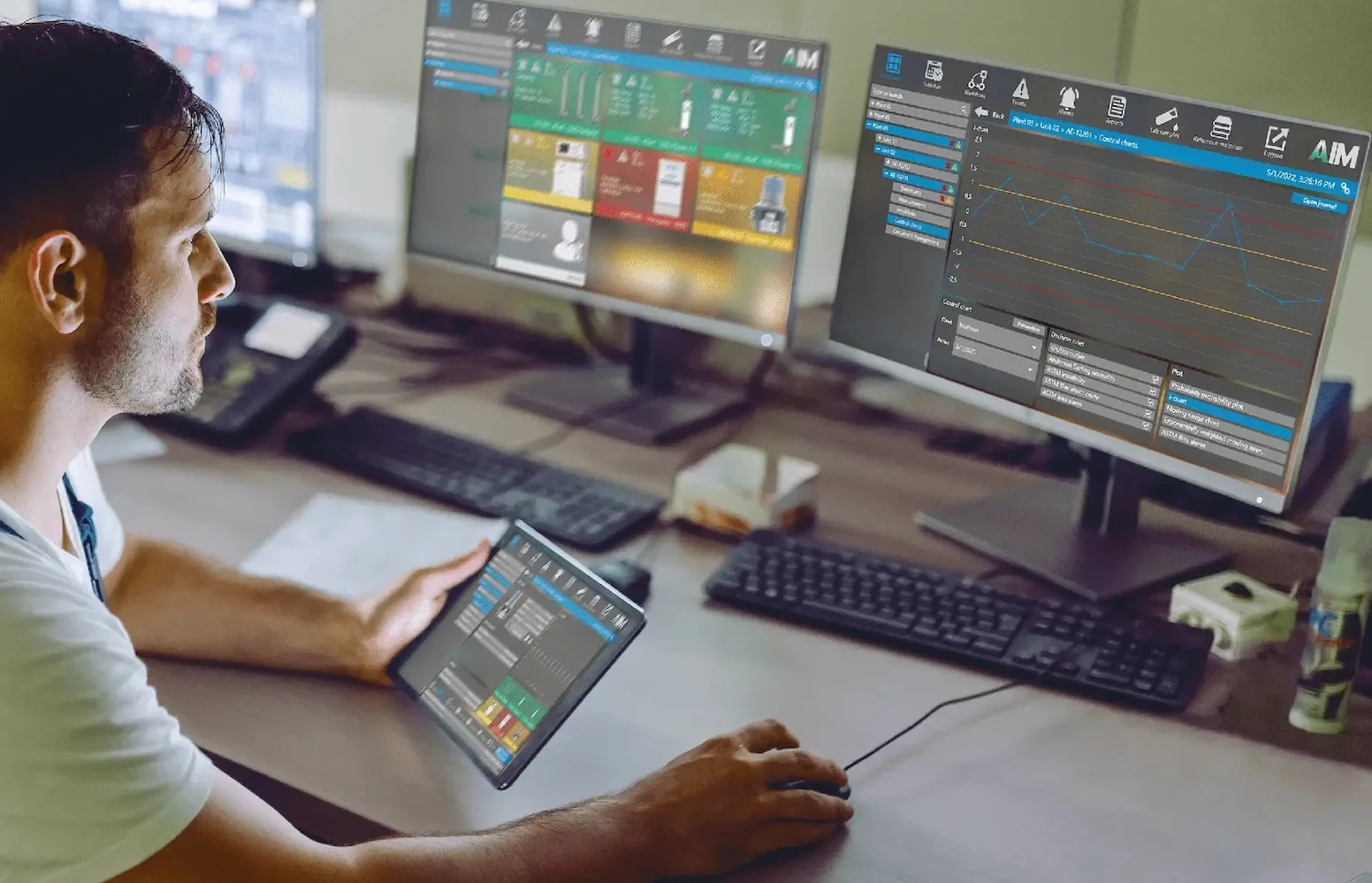
Ensure uninterrupted production with digital maintenance and breakdown management. Increase efficiency and reduce costs with CMMS, EAM, and predictive maintenance solutions.
Although maintenance and breakdown management has persisted in the production world for years with the mindset of "intervene when needed," it is moving to a completely different dimension in recent years due to the impact of digitalization. Because technology is no longer just a tool; it has taken on a critical role in many areas, including production. Especially in production fields, digitalization doesn't just mean speeding up tasks or automation; it means enabling a predictive, flexible, and almost uninterrupted production process. Today, staying one step ahead in competition largely depends on businesses adopting and successfully implementing this transformation!
So, what happens if this transformation is not undertaken? An outdated scenario is followed where production stops when a fault occurs, the cause is investigated, fixed, and then resumed.
But what happens if this transformation takes place?
Processes such as detecting a fault in a production line in advance, personnel intervening just in time, and even the automatic triggering of spare parts in the supply chain function automatically. Yes, these might sound like science fiction, but they are rapidly becoming reality in today's digitizing factories. Thanks to this, production interruptions are minimized or sometimes eliminated entirely, costs drop, and efficiency rises. This is exactly where the magic of digitalization in maintenance and breakdown management begins!

When “maintenance and breakdown management” is mentioned, the repair of a broken machine is what immediately comes to most people's minds. However, this concept has a much deeper and broader meaning. The essence of the matter lies in detecting potential problems on the production floor before they even surface, taking precautions, optimizing the process, and intervening quickly in critical situations.
Of course, the job here is not just “repair”; it also includes maintenance planning, preventive measures, resource management, and process improvements. This holistic approach not only ensures the continuity of production but also contributes significantly to the financial sustainability of companies. Just imagine: if a line stops, there is both a loss of production and repair costs reach entirely different levels. It is exactly at this point that effective maintenance and breakdown management acts almost like an insurance policy for companies.
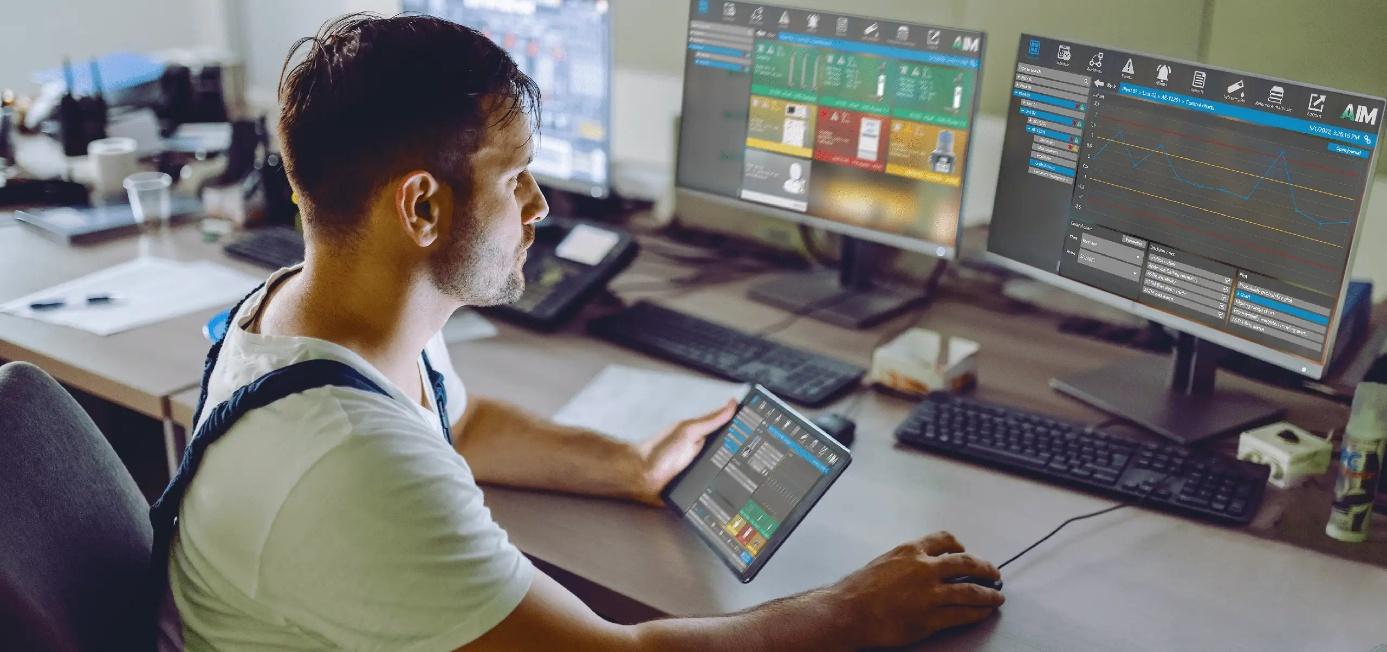
CMMS is powerful software that gathers almost every detail under one roof—from maintenance work orders to equipment history, and from spare parts stocks to personnel planning. This allows maintenance teams to instantly see what needs to be done, when, and where, enabling correct prioritization. This leads to a reduction in unplanned downtime and a decrease in maintenance costs.
Thanks to scheduling and task prioritization, personnel resources are used much more efficiently. Moreover, analyses created from this data enable the development of future-oriented preventive maintenance strategies. In short, equipment life is extended, and businesses increase their profitability through uninterrupted production.
CMMS does not work alone; it usually operates hand-in-hand with ERP (Enterprise Resource Planning) systems. This means maintenance is no longer an isolated activity but becomes an integrated structure moving in harmony with all production and business processes.
For example, when a breakdown record is created, relevant spare parts are automatically converted into orders, and maintenance costs are instantly reflected in financial systems. Thus, both stock management and financial planning are supported by real-time data.
While CMMS focuses on the operational management of maintenance activities, Enterprise Asset Management (EAM) brings a more comprehensive and strategic perspective. EAM ensures the integrated management of many parameters, not just maintenance, but also parts procurement, technician competencies, workforce planning, and time management.
For large and complex businesses, this approach focuses on tomorrow rather than today. In other words, it aims to plan for the future instead of just trying to manage the present. EAM systems, which focus on maximizing the performance of assets throughout their lifecycle, play a critical role in businesses achieving their sustainability and efficiency goals.
So, how can we summarize the difference between CMMS and EAM?
It is possible to summarize the difference as follows: While CMMS optimizes daily operational tasks, EAM ensures the strategic management of the entire asset portfolio and perfects the flow of information between departments. Thus, maintenance becomes not just "repair," but a cornerstone of a corporate vision.
The impact of digitalization on maintenance planning is undeniable. Thanks to advanced systems like EAM, businesses can manage maintenance processes in a much more comprehensive, integrated, and transparent manner.
For instance, many critical elements such as parts procurement, technician competencies, and workforce distribution can be tracked simultaneously with departments like ERP, finance, and human resources. This prevents unplanned downtime while making the control of maintenance costs possible.
Especially in businesses with large-scale, heterogeneous equipment, digital maintenance planning becomes a determining factor in shaping long-term asset management strategies. Thus, maintenance operations cease to be merely a technical process and become an important pillar of the company's sustainable success.
Smart maintenance planning systems not only standardize maintenance processes but also ensure these processes are carried out quickly, accurately, and transparently.
Additionally, since spare part usage and stock movements are tracked through the systems, task distribution among teams can be done more effectively. As a result, maintenance activities gain speed, the workload of teams is balanced, and efficiency in processes increases.
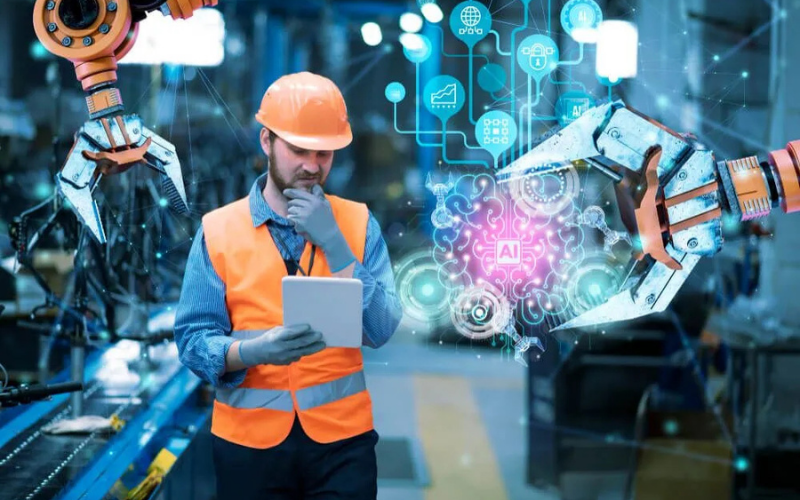
Production monitoring is, in fact, one of the most crucial processes at the heart of a business. With digitalization, this monitoring has become real-time and detailed to a degree previously unimaginable. Technologies such as ERP, MES (Manufacturing Execution Systems), and IoT provide the capability to monitor every step from raw material to the final product in an integrated manner.
Thus, the production process is not merely monitored; thanks to data analytics, efficiency is increased, quality control becomes more effective, and potential production issues are instantly detected and addressed.
Thanks to digitalization, production efficiency takes a significant leap. While real-time data is collected and analyzed from machines, disruptions in processes are immediately identified and corrected. Human intervention decreases, labor costs drop, and production speed increases.
Thanks to robotic systems taking over precise and repetitive tasks, the margin of error is minimized, and quality is elevated to top levels.
Furthermore, improvements in energy efficiency and resource utilization are among the significant contributions of digitalization. Unnecessary material usage is prevented, and energy consumption is optimized. All these not only serve sustainable production goals but also boost the company's brand value.
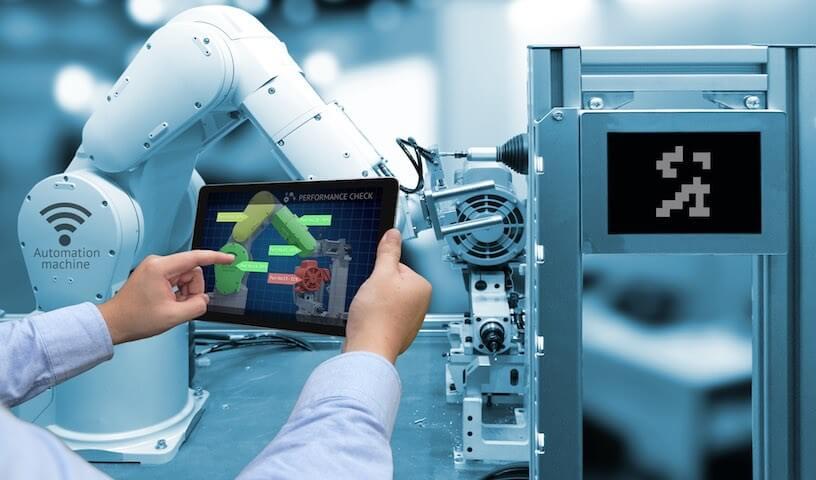
Predictive maintenance brings a revolutionary change to maintenance strategies. In traditional methods, intervention occurs either after a breakdown or at fixed intervals. However, predictive maintenance offers a data-driven, proactive approach; that is, predicting problems before they even appear and taking precautions.
Sensors continuously collect data from machines, which is then analyzed using Artificial Intelligence (AI) and Machine Learning (ML) algorithms. For example, a small change in a machine's vibration pattern can be a sign of an impending failure. Thus, unplanned downtime decreases, maintenance time is shortened, and costs are reduced.
Predictive Maintenance (PdM) is a modern method aimed at predicting failure risks in advance by monitoring and analyzing the condition of equipment in real-time. This prevents unnecessary maintenance interventions while making rapid and effective intervention possible at critical moments.
Thanks to IoT sensors, parameters such as temperature, pressure, and vibration are constantly monitored, and machine learning models evaluate this data to calculate the probability of failure. Consequently, unplanned downtime in production is minimized, and the total performance of machines increases.
The success of predictive maintenance relies on a strong technological infrastructure. Components such as IoT sensors, AI, machine learning, and cloud computing come together to make these systems possible.
While sensors constantly monitor machine health, AI algorithms detect anomalies in the data and notify of potential failures in advance. Cloud solutions ensure secure data storage and large-scale analysis. Thus, systems become both scalable and user-friendly.
Companies using predictive maintenance systems record serious improvements, such as 25-30% in maintenance activities, 35-45% in breakdown rates, and 20-25% in production increases. While the return on investment (ROI) period accelerates, the lifespan of machines extends, and labor and energy costs decrease.
Machines are monitored non-destructively using methods like vibration measurement, oil analysis, and infrared thermography, and problems are detected before they occur. These gains directly reflect on the strategic success of businesses, not just their technical success.
In state-of-the-art predictive maintenance, IoT devices and AI go hand in hand. While industrial sensors collect data such as vibration, temperature, and pressure, this data is transferred to the cloud environment via IoT protocols. Here, machine learning algorithms learn the equipment's normal operating patterns, detect anomalies, and report the failure in advance.
For instance, a small deviation in a motor's vibration pattern is detected by the system and transmitted to the technical team; thus, sudden stops and costly repairs are prevented.
Digitalization has become indispensable today. This transformation, experienced in different ways in every sector, brings many advantages. Of course, there are challenges and risks; however, the benefits mostly outweigh these difficulties.
Cost Reduction and Operational Efficiency
Thanks to digital transformation, businesses achieve higher production capacity at lower costs. While maintenance costs decrease, downtime is shortened. Resource usage is optimized, preventing unnecessary stock and expenditures.
Increase in Safety and Quality
Digitalization raises occupational safety and quality standards. Automatic quality control systems reduce errors in products, while business continuity and safety standards rise. Cyber security measures ensure the protection of data and systems.
Sustainability Contributions
While smart production systems increase energy efficiency and prevent resource waste, they reduce environmental impacts through recycling and waste management applications. Digitalization offers strong contributions not only to economic but also to environmental sustainability.
As in every transformation process, there are obstacles in digitalization. These generally shape around investment costs, infrastructure compatibility, personnel training, and security concerns.
Digitalization projects can bring high costs, especially at the start. New software, hardware, training, and infrastructure improvements can take up significant space in the budget. It is essential for businesses to plan strategically by seeing the long-term benefits of these investments!
The compatibility of existing systems with new technologies and data integration can create major challenges. Infrastructure needs to be modernized for different data formats, security, and big data management. Cloud solutions and next-generation technologies are important supporters here.
For digital technologies to be successful, employee adoption is essential. However, resistance to change can make adopting new systems difficult. Training, motivation, and cultural transformation processes need to be managed well.
As digitalization increases, data security risks also rise. Cyber attacks, data theft, and system vulnerabilities pose major threats to businesses. Therefore, measures such as strong security protocols, encryption, and multi-factor authentication must be taken!
Digitalization in maintenance and breakdown management has become a necessity, not just a competitive advantage. For businesses aiming for uninterrupted production, high efficiency, and sustainable growth, this transformation is inevitable. Companies that successfully manage technological integration win not only today but also the future.
If you are looking for a strong partner in your digital transformation journey, contact us and take your business one step further.
Images:
https://www.atilimyazilim.com/ - Bakım ve Arıza Yönetimi Nedir?
https://www.asap.nl/ - Bakım Planlama ve Dijitalleşmesi
https://oeeanalizi.com/ - Üretim Takibinin Dijitalleşmesi
https://mekatronik.net/ - Kestirimci Bakım